
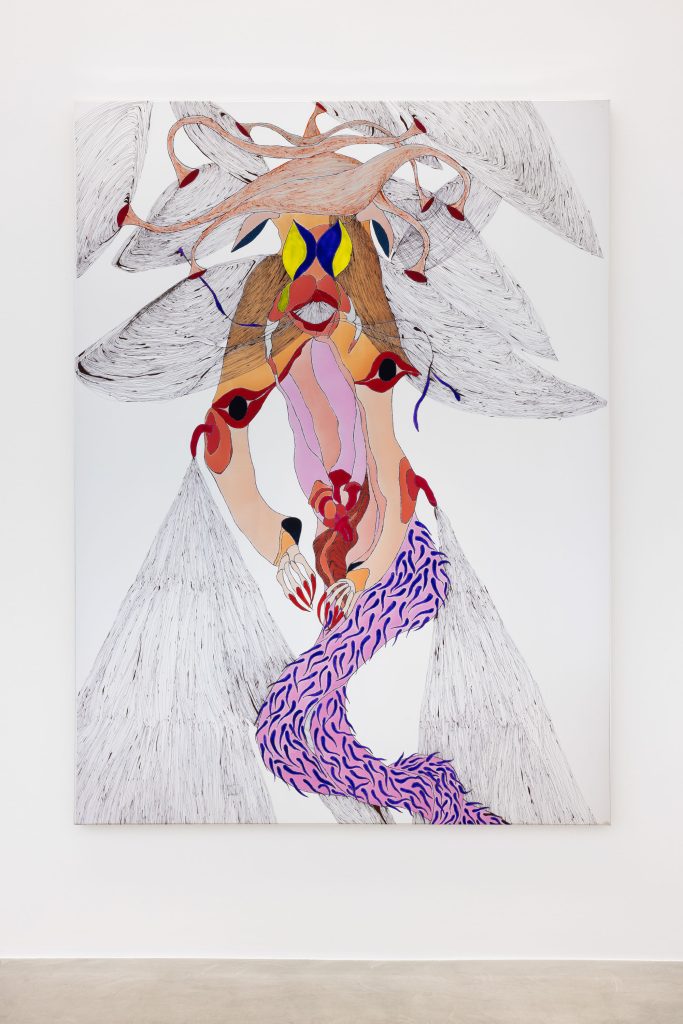
The third edition of La Biennale dello Stretto will take place from 18 September to 13 December 2026 at Forte Batteria Siacci, in Campo Calabro.
For 86 days, the Biennale will explore design innovation through some of the most significant projects and experiences from the national and international architectural landscape.
Alongside exhibitions of architecture, art, and photography, the programme will feature talks, workshops, urban explorations, and thematic events held across several cities.
The Biennale will also take place at the National Archaeological Museum of Reggio Calabria, home to the Bronzi di Riace—silent witnesses to the past for over four decades—as well as at Villa Genoese Zerbi, overlooking what Gabriele D’Annunzio famously described as “the most beautiful kilometre in Italy,” the seafront of Reggio Calabria, and at other venues throughout the region.
Living, moving, learning, receiving an education, and sharing spaces: the city will be examined from multiple perspectives by architects, artists, researchers, and thinkers from different backgrounds. The aim is to move beyond familiar boundaries and reflect on tangible prospects for future generations.
In genetics, a mutation is a permanent and random alteration in the DNA sequence. Beyond the laboratory, however, the concept of mutation has become a powerful metaphor for the transformations that shape society, art, and the spaces we inhabit. Extending this idea to cities and territories, the Biennale investigates variations in urban and territorial metabolism. Viewing the city not as a static physical body but as a living organism fundamentally changes the way we understand, design, and transform it.
Mutations is not only the theme of La Biennale dello Stretto 2026; it is the condition of continuous change that increasingly defines contemporary societies. This accelerating process dismantles the references and paradigms that have long shaped design, the city, and everyday life.
The mutations affecting the cities of the future are driven by evolving environmental conditions, climate change, technological innovation, and shifting social behaviours.
Within this framework, La Biennale dello Stretto 2026 initiates a multidisciplinary reflection on the capacity of contemporary architecture to respond to the new questions generated by these mutations, with time as a fundamental dimension of the discussion. Ours is an age of constant transition—a “passage without passage”—fragmented, hyperconnected, and saturated with information, where rapid change often obscures the possibility of understanding and engaging with transformation over the long term.