

- This event has passed.
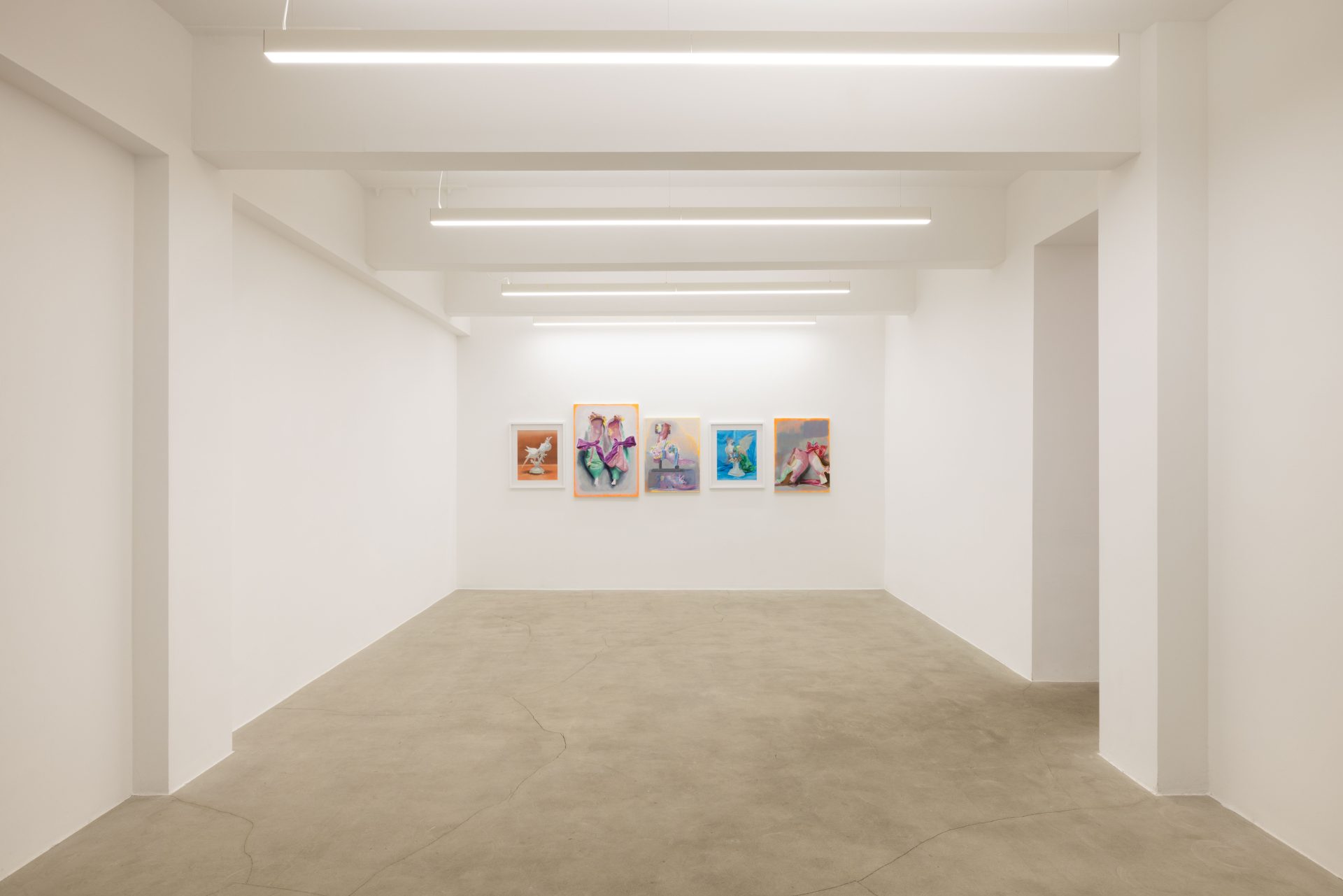
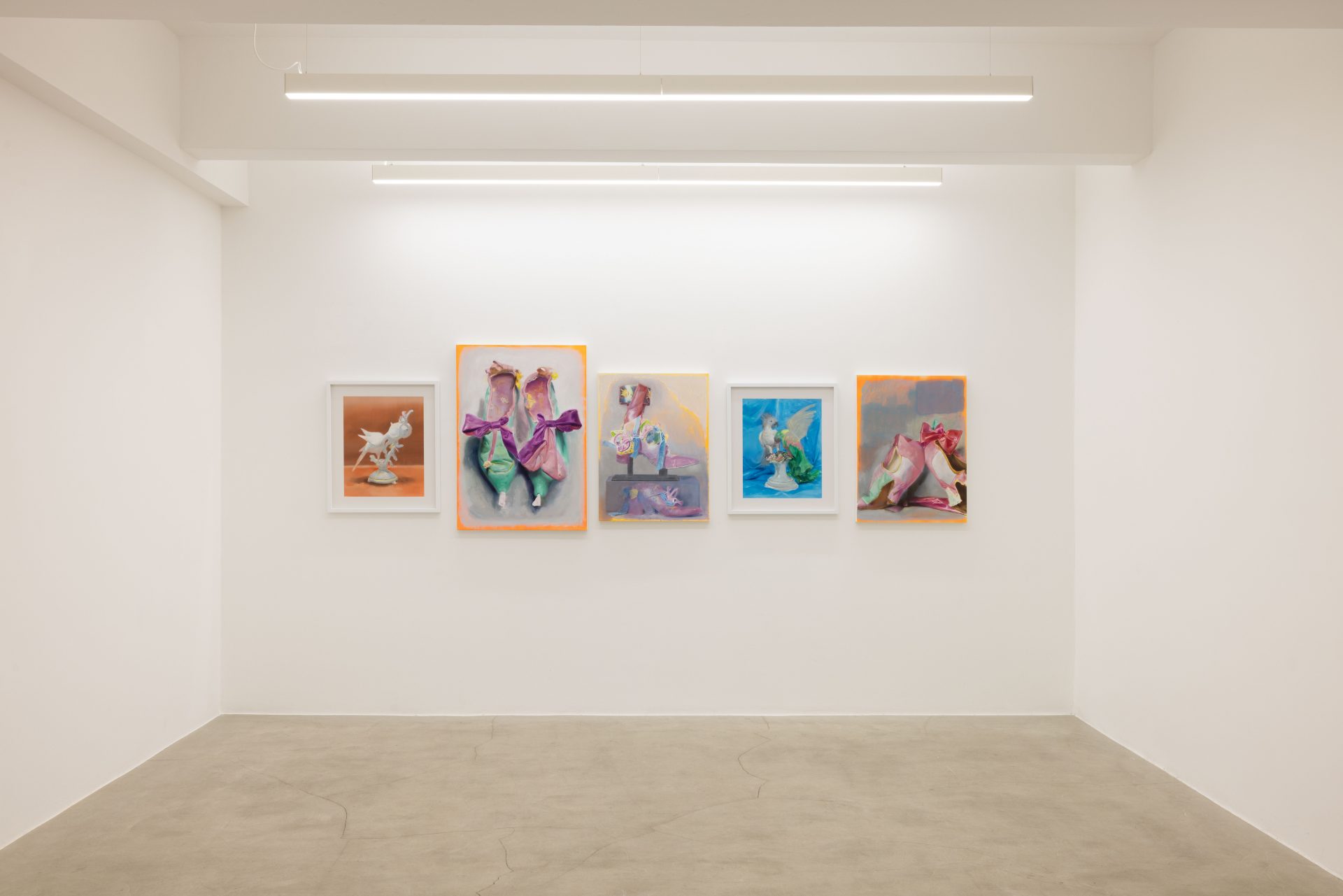
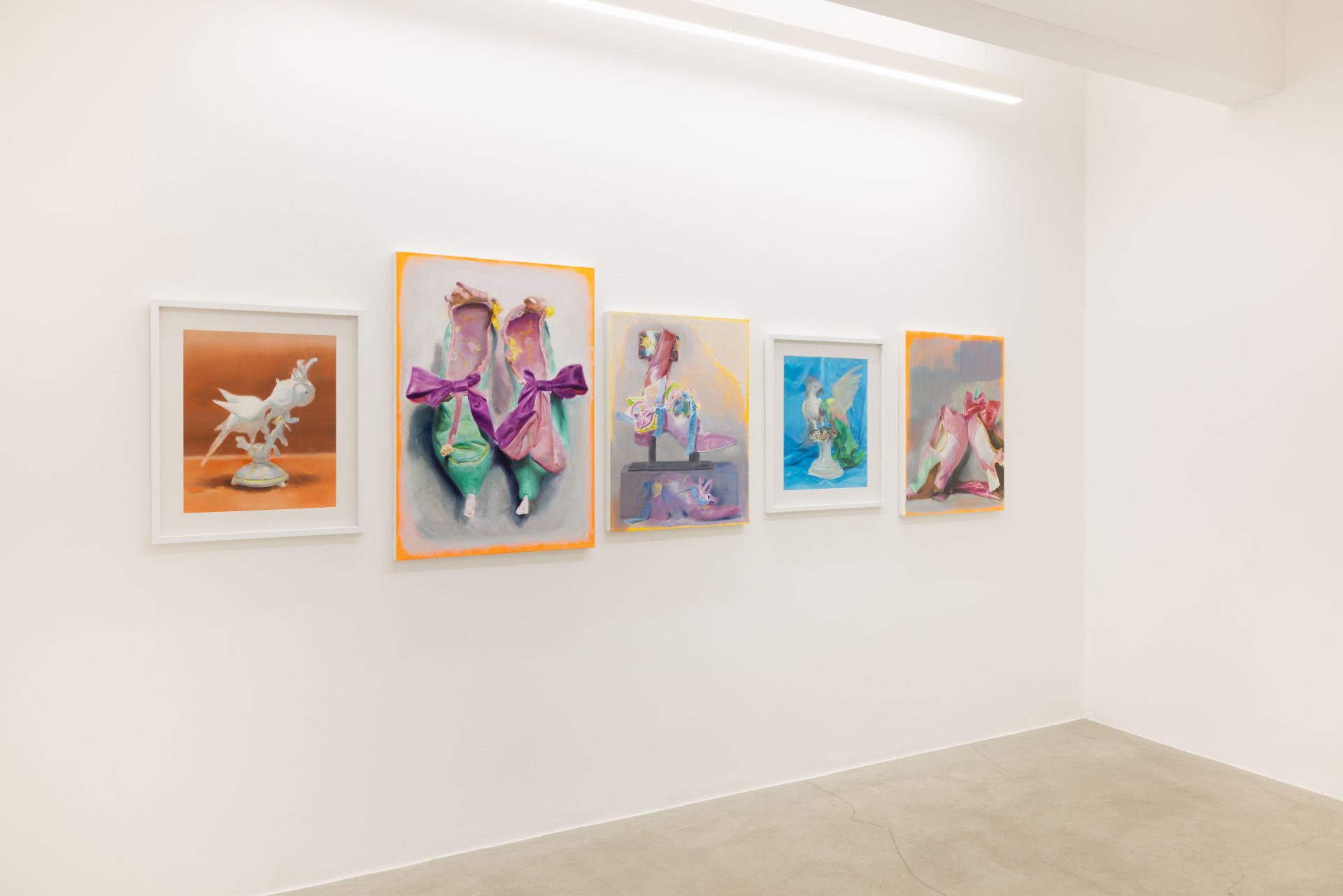
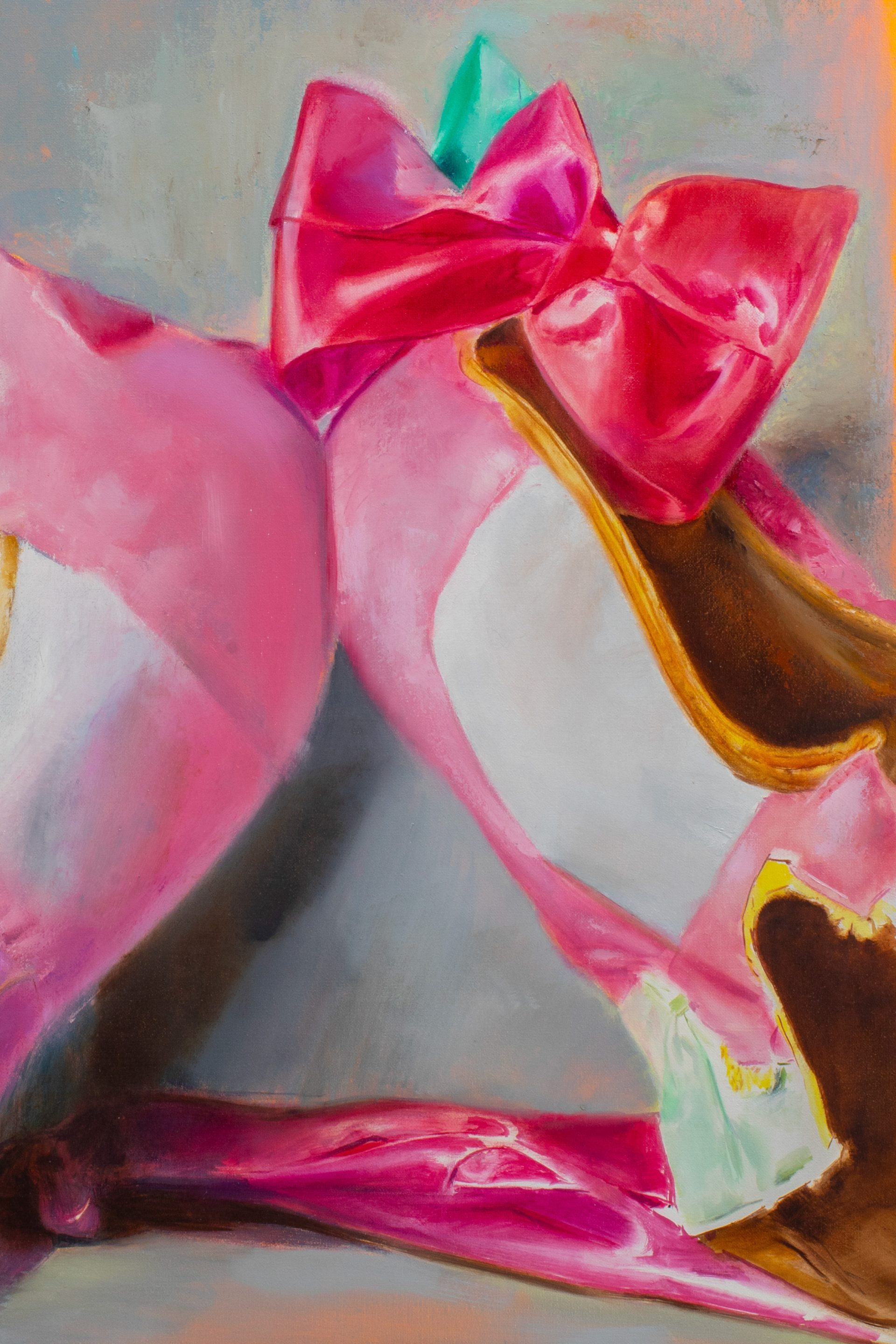
kaufmann repetto is pleased to present Un cuore semplice (A Simple Heart), Pierpaolo Campanini’s eighth solo exhibition with the gallery.
Borrowed from Gustave Flaubert’s 1877 short story Un cœur simple, the title evokes a world in which devotion attaches itself to modest things and, through repetition and solitude, transforms them into images of unexpected intensity. In Flaubert, the life of the humble servant Félicité is marked by a succession of losses of people she holds dear, culminating in her almost mystical devotion to a parrot and, later, to its preserved remains. The artist engages with this emotional register, dwelling in the moment in which affection takes form, and form begins to detach from reality, acquiring an autonomous presence, almost a sacred residue.
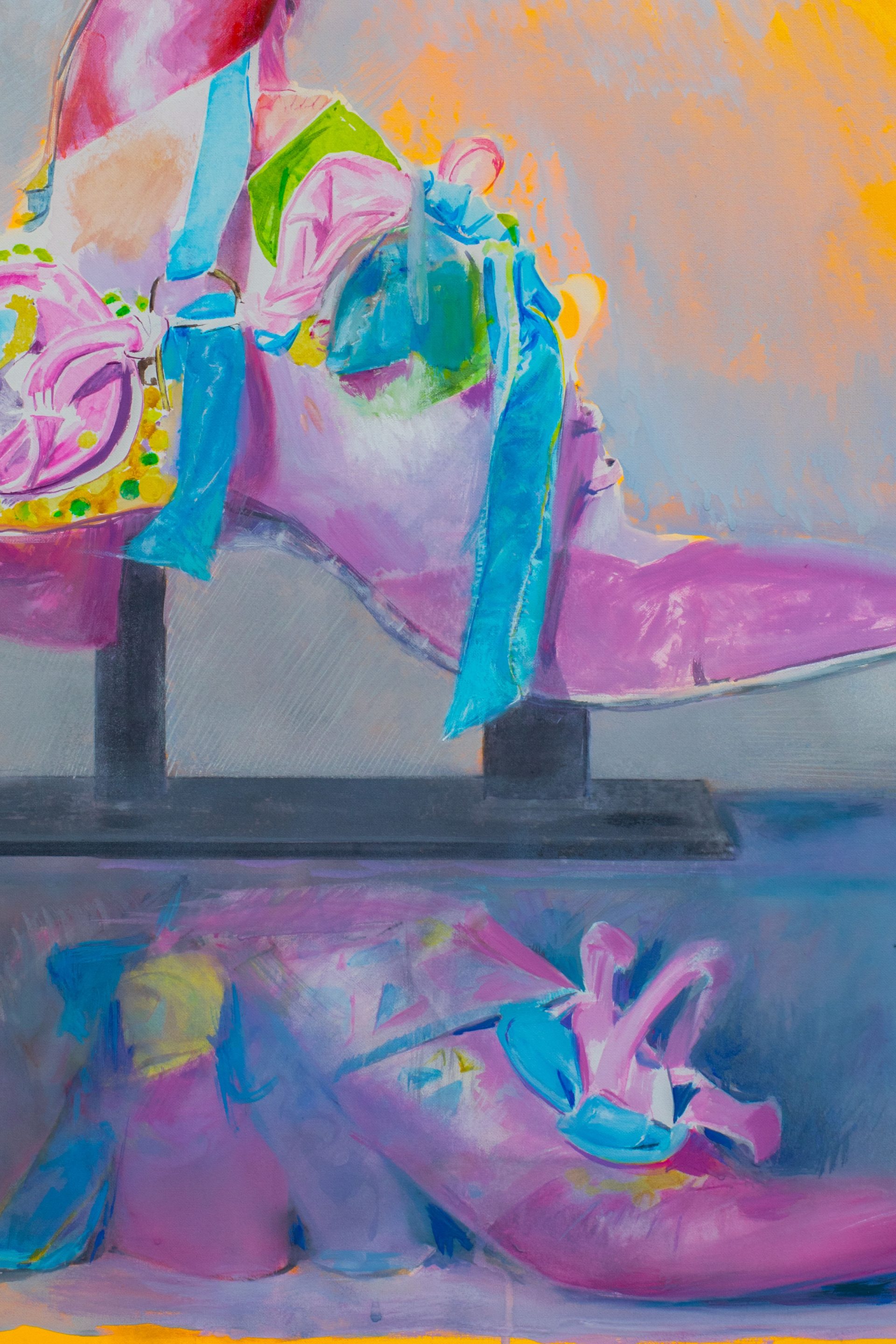
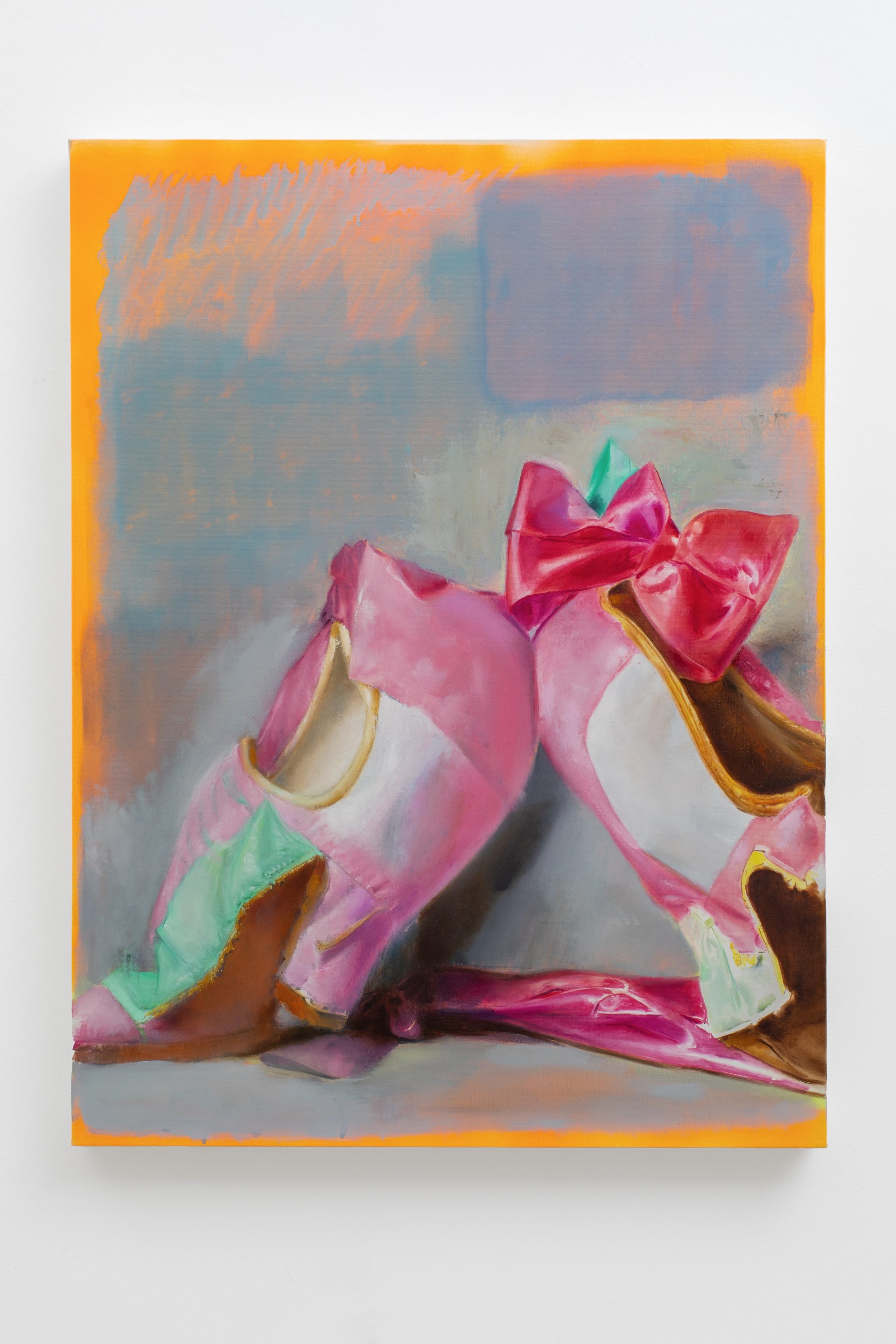
Campanini’s works develop through a layered process that moves between physical construction and digital elaboration. Objects assembled in the studio are often provisional and unstable, and are translated into sequences of manipulated images, which are then filtered, redrawn, and ultimately resolved in painting. Rather than producing definitive forms, this process generates figures that feel precise in appearance yet subtly dislocated from within. The digital passage does not serve to define the image, but to disturb it — breaking apart its logic, introducing shifts and inconsistencies, and opening it to further transformation before it returns to painting.
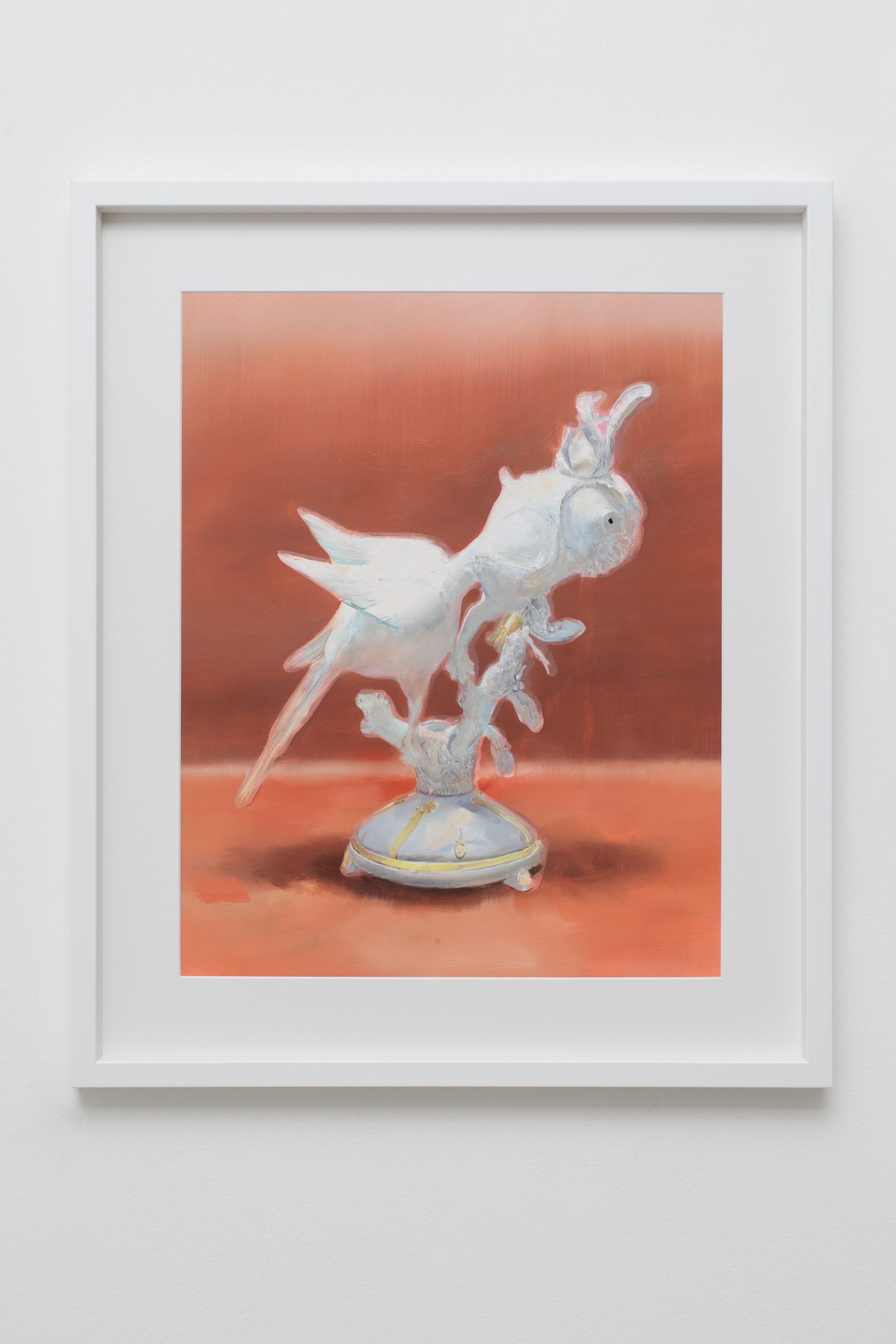
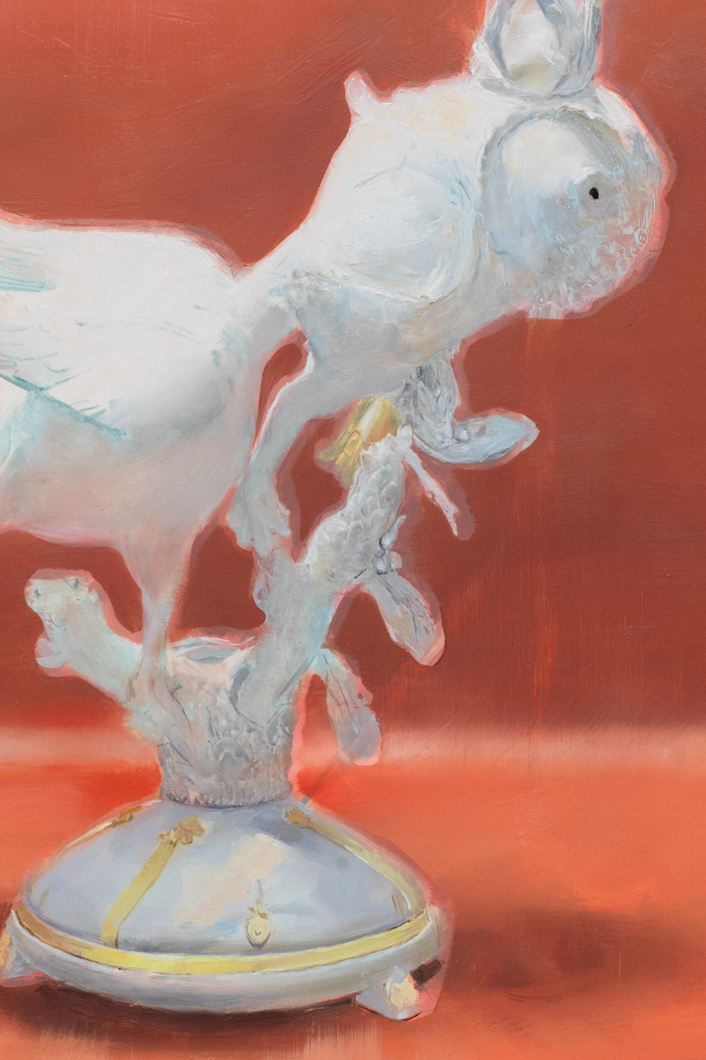
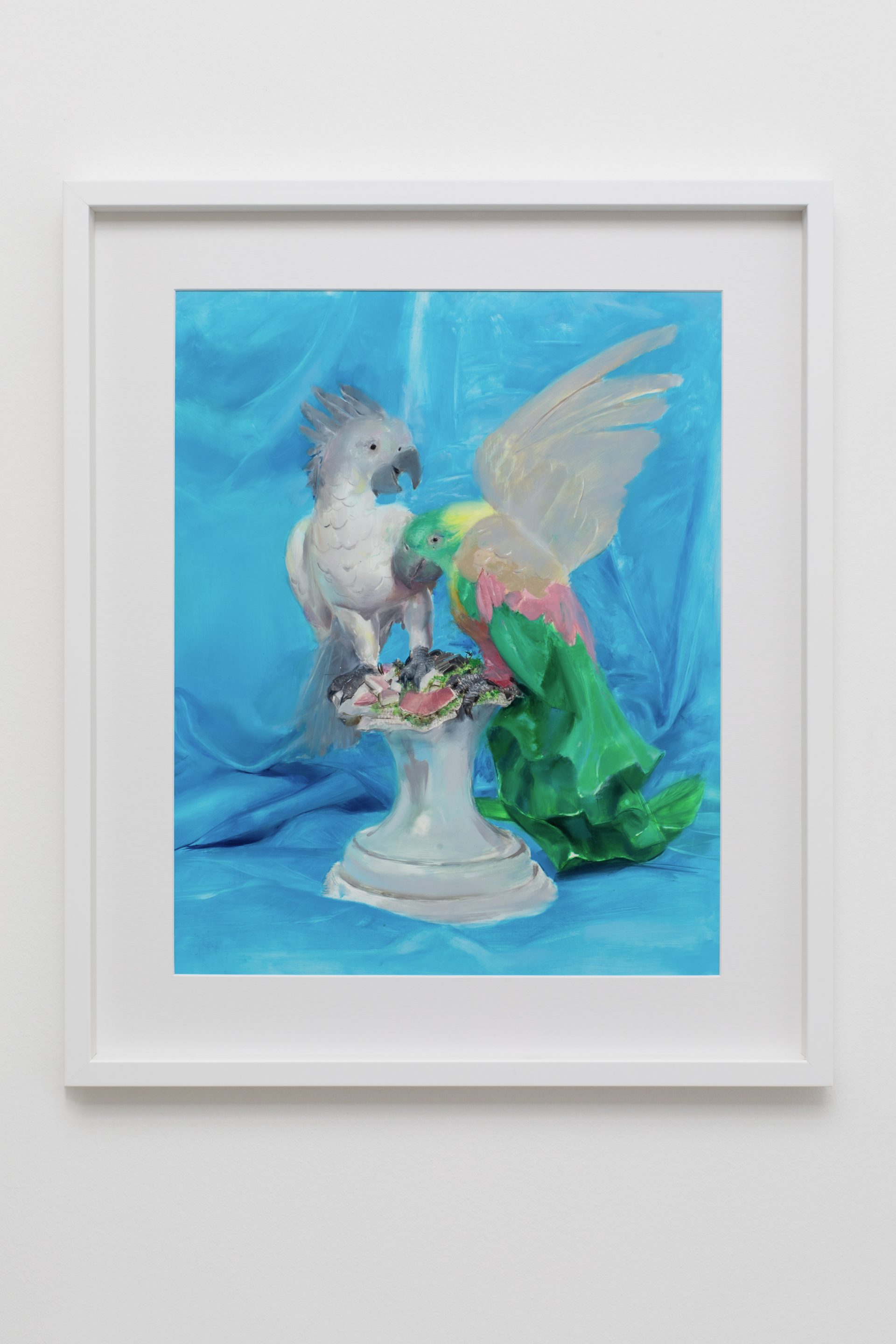
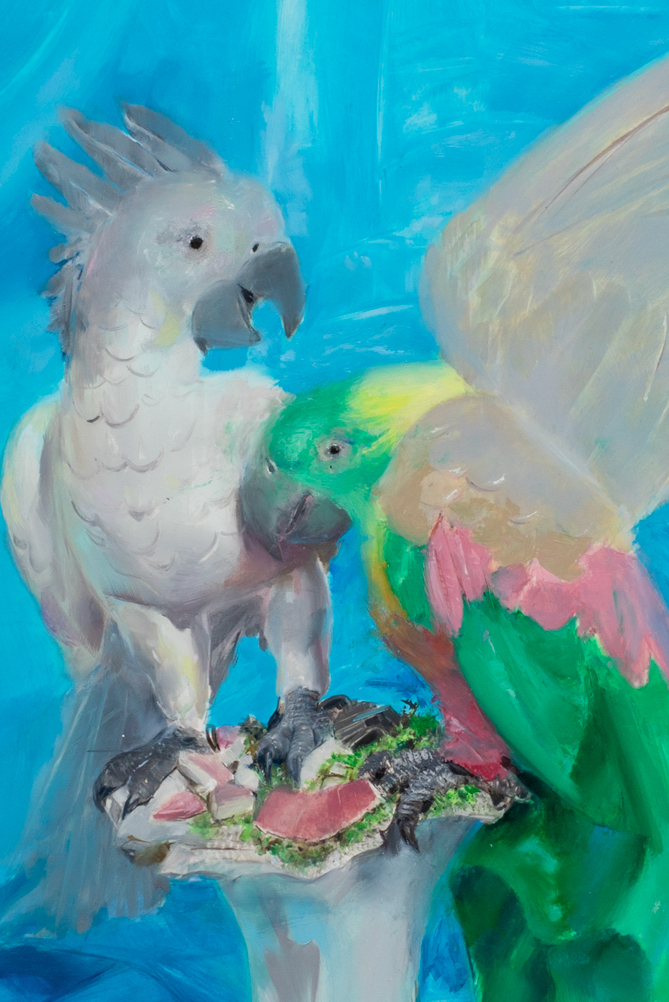
Two works on paper depict parrots, a subject that connects directly to Flaubert. Campanini is drawn to the parrot’s double nature: at once mimetic and emphatic, capable of blending into its environment while asserting itself through vivid color. In the short story, the parrot Loulou shifts from living presence to preserved object, from companion to relic. The artist lingers in this ambiguity. His figures appear suspended between vitality and inertia, their chromatic intensity offset by a sense of stillness, as if already poised between life and objecthood.
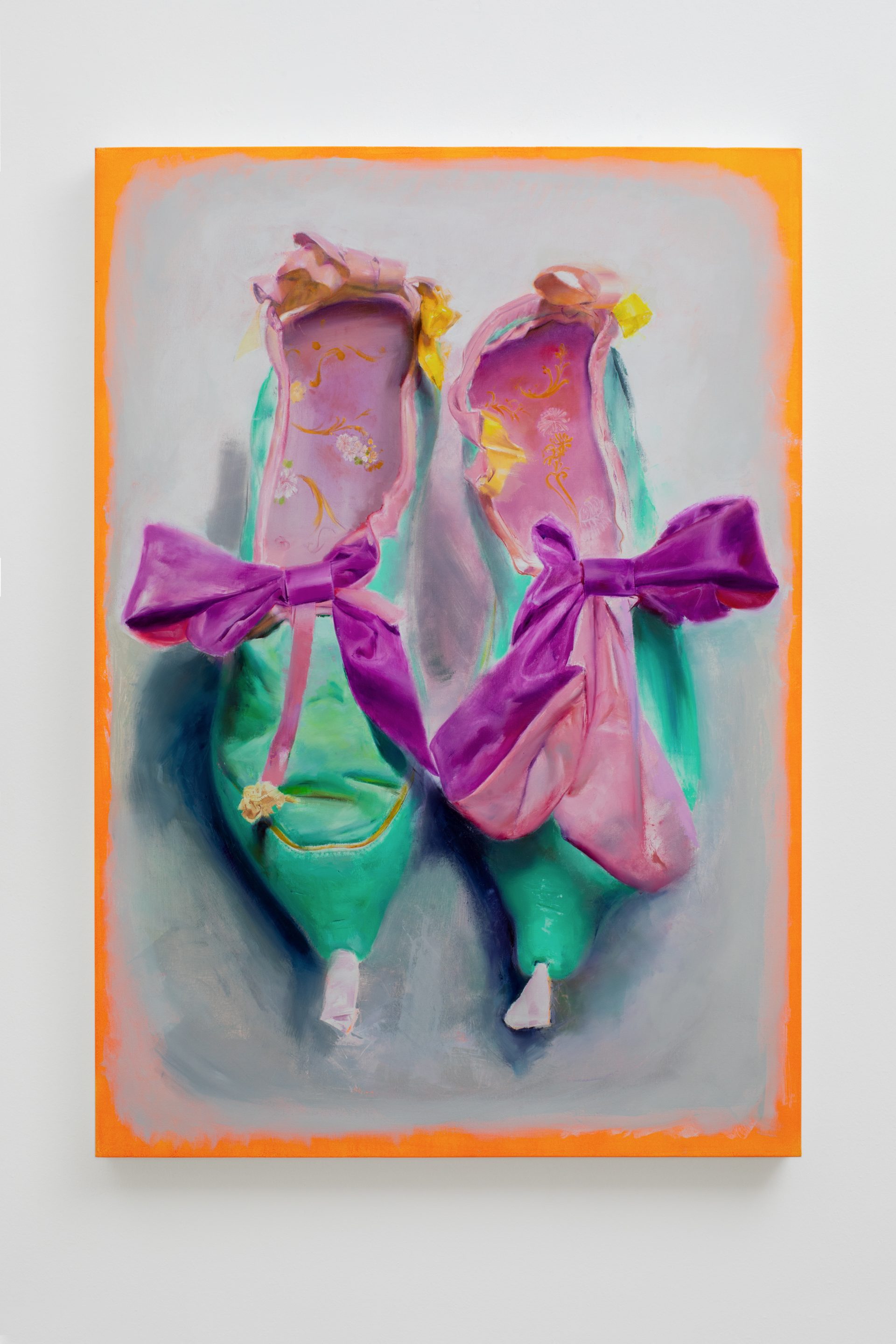
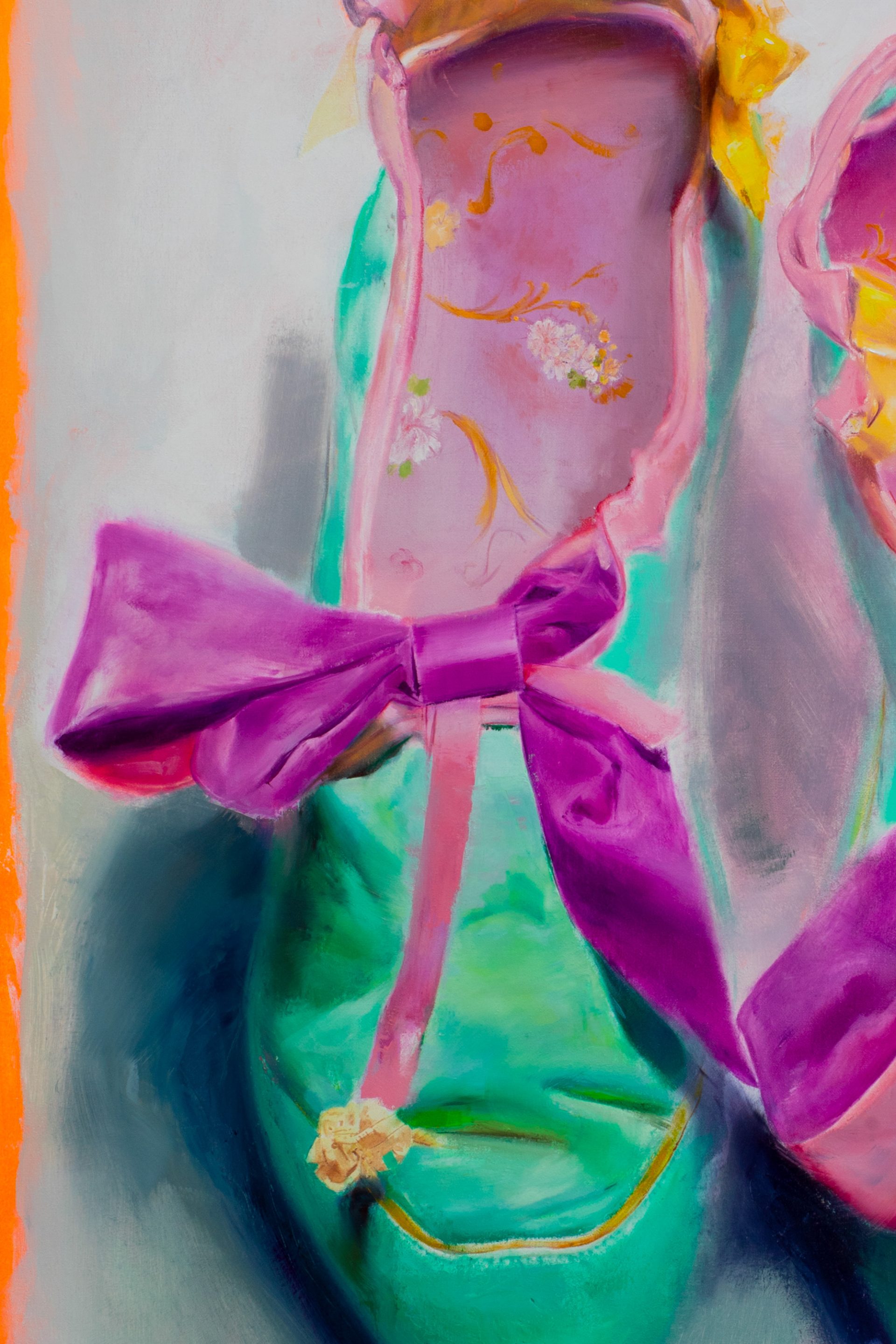
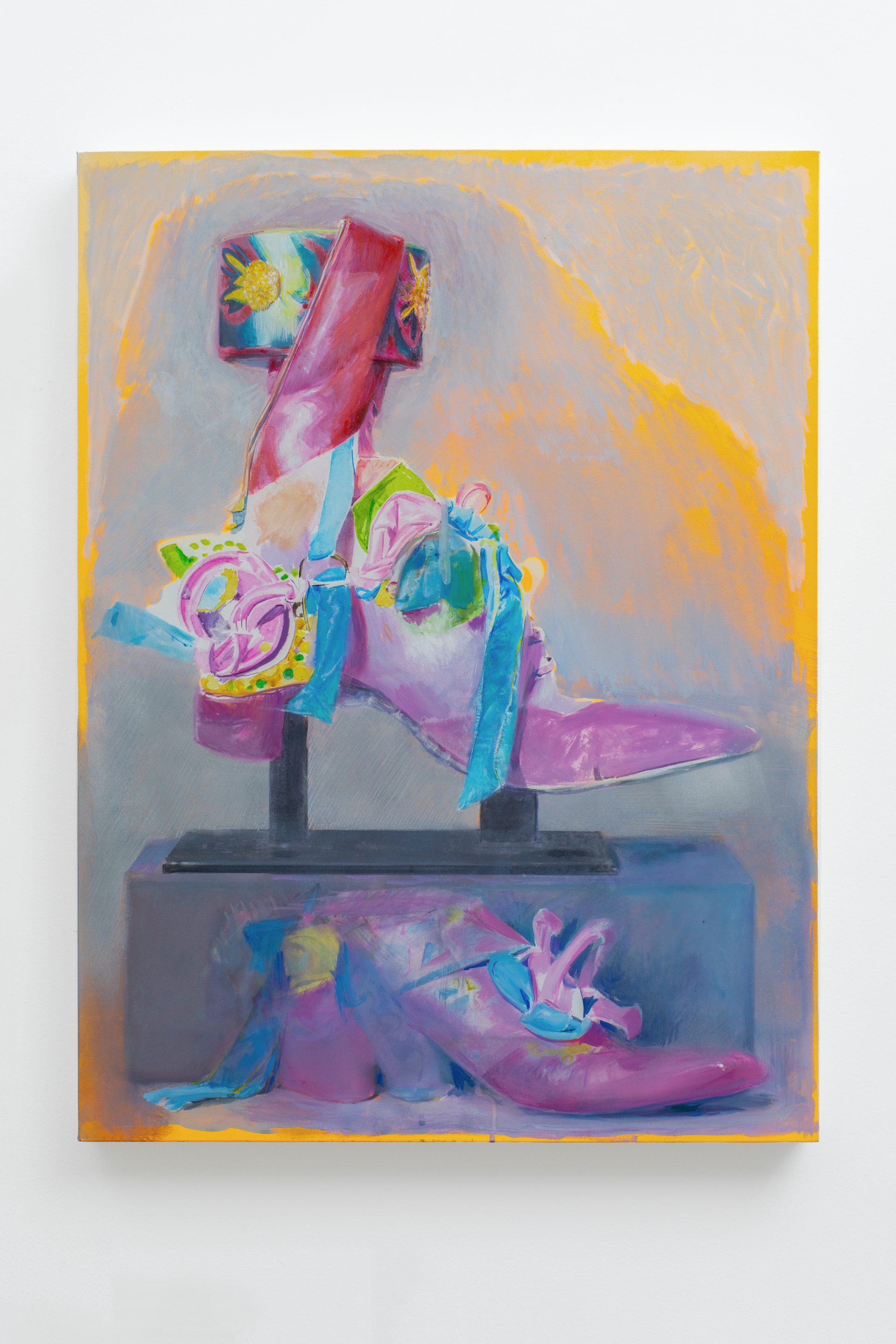
The three canvases revolve around shoes, a leitmotif throughout Campanini’s recent work. Shaped by use, pressure, and time, wrinkled, folded, and worn, they retain a tactile memory of the body while remaining detached from it. In the studio, the artist assembles them into provisional sculptural compositions, which are then broken down and reconfigured in painting. What reaches the canvas is not the object itself, but its altered afterlife: loosened from function, pushed toward ornament, puppet, shell, or fragment.
By installing all five works on a single wall, Campanini turns the area into a chamber of focus, where each image gains density through its proximity to the others. The installation reinforces the sense that these works should be read not one by one, but as a compact nucleus of variations, obsessions, and returns. Parrots and shoes belong to very different orders of experience, yet in this exhibition they begin to answer one another. One carries the charge of attachment, projection, and display; the other bears the imprint of contact, use, and bodily absence. Both become unstable presences, removed from their ordinary function and held in a space where fixity and deterioration remain closely entangled. What emerges is less a story than a concentrated emotional field, in which forms persist as if caught between memory and transformation. Within that register, painting becomes the place where images are held in suspension, neither fully resolved nor entirely released.