
The 16th Gwangju Biennale, You Must Change Your Life, announces its participants. Opening on September 5, 2026 at the Gwangju Biennale Exhibition Hall, it brings together 43 artists and groups from around the world to explore how new capacities and forms of life emerge through artistic practice.
The title of the 16th edition is the final line of Rainer Maria Rilke’s 1908 poem Archaic Torso of Apollo: “You must change your life”—a call at once urgent yet open, forceful yet generous. The Biennale approaches change as a continuous practice through which bodies and perceptions are reorganized. Though change is often most apparent in moments of rupture, it also emerges through the gradual accumulation of everyday practices that expand our capacity to affect—and to be affected.
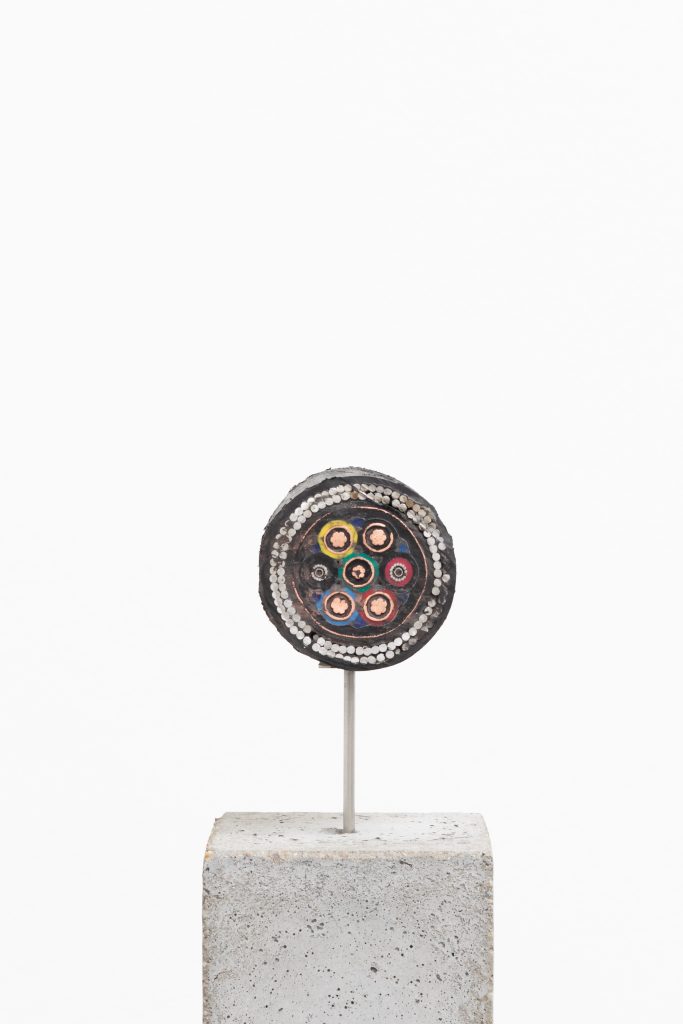
The Biennale unfolds as a journey across scales—from the molecular to the cosmic, from intimate gestures and familiar bonds to social formations and resonances across worlds. Artists approach change through multiple registers: from the molecular poetics of Nina Canell to the existential weight of late-socialist life choices in Wang Jiahao’s paintings; from Rafik Greiss’s invocation of Sufi transcendence through breath, movement, and repetition, to practices that seek new ways of inhabiting body, history, and relations with others.
Techniques of transformation and self-transformation can be found among the practices of mystics, athletes, and artists. Artists such as Tehching Hsieh and Amanda Heng show how sustained practice—through repetition and attention—can render one’s own life as material, reshaping perception and creating new ways of inhabiting time.
Others, including A K Dolven, Matthew Barney, Jeong Geumhyung, and Angela Goh, approach the body as continuously produced through affirmation and restraint, defamiliarization and reconfiguration. Mona Benyamin’s works, meanwhile, reimagine intimacies within a world marked by political injustice, instability, and absurdity.
Elsewhere, viewers may follow the path of Rim Dong Sik as he develops new ways of being with landscape, eventually encountering nature artist Woo Pyongnam (Jongsun). Nearby will be servings of tea cultivated through the practices of traditional ink painter Heo Baekryeon, who founded the Gwangju Agricultural Technical High School in 1947, bringing together art and agriculture, landscape and learning.
For artists like Christian Nyampeta, the body is activated in relation to other bodies, amplifying capacities across collective projects and affinities. In the works of Kiri Dalena, bodies pass from individual experience to family and collective action. In the visions of Saodat Ismailova and Sohrab Hura, bodies resonate with other worlds altogether.
Moving audiences across scales and intensities, the exhibition approaches artistic practice as producing capacities to sense, endure, relate, imagine, and transform. Artistic practice emerges here as a force of exercise and repetition that continually tests and reinvents such capacities.
The Biennale approaches Gwangju not only as a site of exhibition, but as a city where art, collective action, and political change are inseparable. It will include a presentation of paintings by the members of the May Mothers House, whose collective persistence and creativity the 16th Gwangju Biennale is honored to share.
The 16th Gwangju Biennale is curated by Artistic Director Ho Tzu Nyen together with curators Che Kyongfa, Park Gahee, and Brian Kuan Wood, alongside assistant curators Lee Yein and Koyuri Sato.